
- All
- Product Name
- Product Keyword
- Product Model
- Product Summary
- Product Description
- Multi Field Search
Views: 0 Author: Site Editor Publish Time: 2025-10-22 Origin: Site


Laser Welding Machine prices vary widely, and upfront cost is just part of the story. Maintenance, power, and features all add to the total expense. In this article, you will learn real costs, hidden fees, and ROI insights to make informed purchasing decisions.
Laser welding machines range from entry-level models suitable for hobbyists and small businesses to high-power industrial units designed for continuous production. Entry-level units generally start around $2,400 and provide sufficient capability for welding thin metals up to 2–3 mm. Mid-range machines, typically 1.5 kW to 2 kW, balance cost and performance for small to medium production runs. Industrial units exceeding 3 kW are intended for heavy-duty applications and large-scale operations, supporting thicker metals and higher throughput. Selecting the right model requires balancing application needs, production volume, and budget.
A machine’s wattage directly influences price, welding capacity, and suitability for various materials. Low-power machines (≤1 kW) are budget-friendly and ideal for light welding projects. Medium-power machines (1–2 kW) provide versatile performance for diverse materials, while high-power units (3 kW and above) handle thicker metals and higher production volumes. Each additional kilowatt increases cost non-linearly due to enhanced optics, cooling, and power requirements.
Power Tier | Suitable Material Thickness | Approximate Price (USD) | Notes |
1 kW | ≤2 mm | $2,000–$2,200 | Entry-level, air-cooled |
1.5 kW | ≤4 mm | $2,285–$2,735 | Water-cooled, higher duty cycle |
2 kW | ≤6 mm | $2,715–$3,720 | Mid-power industrial use |
3 kW | ≤8 mm | $4,145–$6,200 | Premium fiber, heavy-duty |
Laser type greatly affects both price and performance. Fiber lasers are highly efficient and ideal for industrial welding, though more expensive. CO₂ lasers are cheaper and versatile but may not provide the precision required for certain applications. Solid-state lasers like Nd:YAG offer precise welds across multiple metals but require a higher initial investment. Choosing the right laser type ensures performance aligns with your production needs without unnecessary expenditure.
Machines with advanced features, including multi-functionality, automation, or portability, generally cost more. Portable handheld units may offer flexibility and ease of use but often have lower duty cycles. Automated industrial models enhance precision, repeatability, and throughput, making them worthwhile for larger operations despite higher upfront costs. Evaluating necessary features versus optional extras ensures a cost-effective purchase.
Cooling is a hidden cost that impacts machine longevity and productivity. Air-cooled systems are inexpensive but limit duty cycles, while water-cooled units support sustained operation at higher temperatures. Proper cooling ensures optimal laser performance, reduces repairs, and protects diode life. Businesses must consider cooling requirements relative to their intended workload to avoid downtime.
Additional costs often include shipping, crate fees, installation, and accessories like fume extractors or welding tables. International shipments may incur customs duties or import taxes. While these fees might seem minor, they can add several hundred to thousands of dollars to the total investment. Planning for logistics prevents surprises and ensures installation is smooth and timely.
Operational consumables like shielding gas, welding wire, or replacement optics contribute to ongoing expenses. A handheld fiber welder typically consumes argon at 6 L/min and electricity at around $0.10/kWh, amounting to roughly $2 per operational hour. By contrast, TIG setups often cost more per hour due to additional filler metals and post-weld grinding requirements.
Long-term maintenance includes periodic optics replacement, diode service, and mechanical checks. Regular preventive maintenance prevents downtime and extends machine life. Ignoring these costs can make a lower-priced machine more expensive over its lifecycle.
For small businesses, mid-power machines between 1.5 kW and 2 kW often hit the sweet spot. They offer sufficient power for light production while keeping upfront costs manageable. Optimizing machine choice reduces labor hours, minimizes scrap, and accelerates ROI. Real-world cases show small shops achieving payback in under two months by replacing multiple TIG stations with one laser unit.
High-power units are suitable for large-scale production. Their investment is justified by higher throughput, reduced labor, and consistent weld quality. Companies using 3 kW or higher lasers can handle thicker materials, achieve faster production, and reduce total cost-per-part compared with traditional welding methods.
Comparing laser welding to TIG or MIG reveals operational savings. Laser welding reduces filler usage, post-weld grinding, and heat distortion. A typical analysis might show a laser costing $2 per meter welded versus $4 or more using TIG. These savings compound across high-volume production, quickly offsetting initial investment.
A medium-power laser used six hours daily in a sheet-metal shop could yield net savings of $140 per day, recouping the machine cost in approximately 18 days. High-power industrial lasers often show payback in under six months due to labor, energy, and scrap reduction. Such data-driven examples help justify purchase decisions to finance teams.
The brand reputation and quality of components significantly influence the price of a Laser Welding Machine. Reputable brands with durable materials and precision engineering generally cost more upfront but deliver long-term value. High-quality construction minimizes downtime, reduces frequent repairs, and lowers replacement costs, ensuring consistent weld quality. Investing in a well-built machine protects long-term ROI by maintaining stable production output and avoiding hidden maintenance expenses. Businesses often find that the higher initial investment pays off through reduced operational disruptions and extended machine lifespan.
The types and thicknesses of materials to be welded are major determinants of laser welder cost. Thicker metals or high-strength alloys require more powerful lasers, specialized optics, and advanced cooling systems, increasing purchase price. Conversely, machines optimized for thin metals or light-duty work are more affordable but may be insufficient for future growth. Assessing your current and projected material requirements helps avoid under- or over-investing. Selecting the right laser power and capabilities ensures efficient welding, prevents excessive operational costs, and aligns equipment capability with production needs.
Laser welding machines that offer multiple modes—such as spot, seam, and butt welding—provide operational flexibility for diverse applications. While multi-mode units are generally more expensive upfront, they reduce the need for additional equipment, saving floor space and minimizing long-term capital expenditure. Multi-functionality also allows for faster adaptation to changing production requirements without purchasing separate machines. Businesses benefit from enhanced workflow efficiency, reduced material handling, and consolidated maintenance schedules, making versatility a valuable factor in both performance and ROI.
The decision between portable handheld welders and stationary machines affects both functionality and cost. Portable units are lightweight, easy to move, and ideal for on-site or small-scale production, but may have limited duty cycles and lower maximum power. Stationary units handle heavier workloads, support continuous operation, and offer higher precision, yet require dedicated floor space and higher upfront investment. Understanding production requirements, mobility needs, and duty expectations helps balance cost with performance, ensuring the machine aligns with both immediate and long-term operational goals.
Financing options allow businesses to acquire high-quality Laser Welding Machines without straining cash flow. Structured payment plans, such as monthly installments or lease-to-own agreements, spread the cost over time, enabling access to more advanced models than a single upfront purchase might allow. This flexibility is particularly valuable for small or medium-sized enterprises looking to balance capital expenditure with operational budgets. Planning financing strategically ensures cash reserves remain available for consumables, maintenance, and training, preventing unexpected financial pressure.
Leasing provides flexibility and lower initial expenditure, which is advantageous for startups or businesses with limited capital. However, long-term leasing costs may exceed outright purchase prices. Buying a machine requires higher upfront investment but offers full control, potential resale value, and reduced operational constraints. Businesses must weigh short-term cash constraints against long-term ownership benefits, considering factors such as expected production volume, machine lifespan, and potential technology upgrades when deciding between leasing or purchasing.
Understanding total cost of ownership (TOC) is critical to budgeting accurately for a laser welding machine. TOC includes consumables, energy use, labor, maintenance, and potential downtime, not just the sticker price. Machines with a low upfront cost can become expensive if repairs, consumables, or inefficiencies accumulate over time. Proper planning involves analyzing expected usage patterns, energy consumption, and maintenance schedules to ensure operational expenses align with projected budgets and expected ROI.
Certain costs, such as optic replacement, operator training, and machine underutilization, are often overlooked yet can significantly increase total expenditure. Factoring in these hidden expenses prevents budget overruns and ensures realistic financial planning. For example, low-use machines might seem affordable upfront but could require outsourced welding services or additional staff training to achieve efficiency, adding unforeseen costs. Incorporating these considerations ensures a comprehensive view of investment, supporting smarter decision-making.
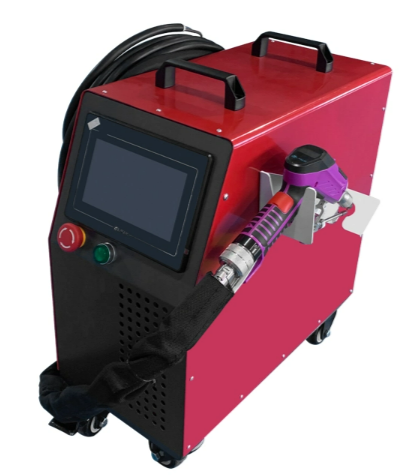
Laser welding machine performance scales with wattage. Mid-power units efficiently handle thin to medium metals, while high-power machines excel in heavy-duty tasks and thicker materials. Wattage charts provide visual guidance to match production requirements with machine capabilities. Selecting a machine with appropriate power prevents overspending and avoids operational inefficiency, ensuring consistent weld quality across different applications. Businesses can use wattage-based comparisons to optimize both upfront investment and long-term productivity.
Multi-function machines combine welding, cutting, and cleaning capabilities, reducing the need for multiple units. Although they come with higher upfront costs, overall capital expenditure decreases by consolidating operations. A Handheld laser welder price guide helps businesses compare multi-function versus single-function options, highlighting the cost-benefit trade-offs. Choosing the right configuration ensures space efficiency, workflow optimization, and long-term savings through reduced equipment redundancy.
Operational efficiency significantly affects long-term costs. Machines that consume less energy, maintain optimal duty cycles, and minimize idle time save money over the life of the equipment. Energy-efficient machines also reduce environmental impact, support sustainability initiatives, and extend component lifespan, creating additional indirect cost benefits. Evaluating efficiency alongside purchase price ensures the machine aligns with both financial and operational goals.
Integrated safety systems, user-friendly interfaces, and operator training modules enhance productivity while reducing the risk of accidents. Investing in these features may increase upfront cost but protects employees and prevents costly downtime. Ease of use also shortens onboarding time for new operators, contributing to faster production ramp-up and operational consistency. Machines that balance safety, usability, and performance optimize both short-term and long-term ROI.
Filtering options based on budget, production requirements, and essential features ensures efficient selection. A Laser welding machine cost breakdown table helps compare models, highlighting performance, price, and operational costs. Structured comparisons simplify decision-making, reduce risk of overspending, and allow businesses to focus on machines that meet both technical and financial criteria.
Testing sample welds before full-scale deployment verifies machine suitability for specific applications. This practice prevents costly errors, reduces material waste, and provides confidence in machine performance. Evaluating samples also reveals potential operational limitations or setup adjustments needed, allowing for optimized processes before committing to large projects.
Selecting machines capable of supporting future growth ensures long-term operational flexibility. Upgradable or modular models accommodate increased production volume without requiring new capital investments. Planning for scalability prevents obsolescence, reduces disruption during expansion, and safeguards ROI by aligning equipment with projected business growth.
Reliable service packages, comprehensive warranty coverage, and easy access to spare parts are critical considerations. Machines with strong after-sales support maintain uptime, minimize repair costs, and protect production schedules. Investing in support reduces long-term operational risks and ensures consistent, high-quality output.
The cost of a Laser Welding Machine goes beyond its price. Power, laser type, cooling, and features impact total expenses. Considering ROI and hidden costs ensures efficiency. HND Laser All Rights Reserved. offers versatile machines that boost productivity and deliver real value for businesses.
A: A Laser Welding Machine uses concentrated laser beams to fuse metals precisely. Refer to a Laser welding machine pricing analysis to understand how features affect cost.
A: Prices vary by power, laser type, and features. Entry-level machines start around $2,400, while industrial units exceed $9,500. A Handheld laser welder price guide helps compare options.
A: Power output, laser type, cooling system, portability, and multi-functionality all influence Laser welding machine cost breakdown. Operational and hidden costs also impact total investment.
A: Yes, handheld models are generally more affordable. Use a Handheld laser welder cost comparison to evaluate features, power, and ROI before purchasing.
A: Consider consumables, energy, maintenance, and operator training. A Laser welding machine pricing analysis offers insights into long-term savings and efficiency.
A: Multi-function machines combine welding, cutting, and cleaning. They may cost more upfront but reduce the need for multiple devices, improving overall ROI.
A: Financing and leasing options spread costs over time. Evaluating monthly payments against total Laser welding machine cost breakdown helps small businesses plan budgets.
A: Higher wattage increases welding capacity and cost. A Handheld laser welder price guide shows how power tiers correlate with efficiency and material compatibility.
A: Optic replacement, cooling upgrades, training, and underutilized equipment can inflate expenses. Including these in your budget ensures accurate Laser welding machine cost planning.
A: Use a Laser welding machine pricing analysis or Handheld laser welder cost comparison to match power, features, and efficiency to production needs.


