
- All
- Product Name
- Product Keyword
- Product Model
- Product Summary
- Product Description
- Multi Field Search
Views: 0 Author: Site Editor Publish Time: 2025-10-24 Origin: Site


Handheld Laser Welders are vital for modern workshops, boosting efficiency and ensuring precise, high-quality welds. In this article, you’ll learn how to choose the right welder, covering business needs, key specifications, usability, and cost factors to make an informed decision.
Understanding the materials you intend to weld is the first step in selecting the right handheld laser welder. Different metals like stainless steel, aluminum, and titanium require specific laser types and power capacities. Material thickness also plays a significant role; thin sheets need less power while thicker metals demand higher wattage. Ensuring your welder matches these requirements avoids poor weld quality and unnecessary downtime.
The frequency of use impacts your choice of machine. High-volume, continuous operations may require a robust water-cooled system, whereas intermittent tasks can be handled by lighter air-cooled models. Consider daily usage, shift patterns, and peak workload when determining the ideal machine capacity. Selecting a machine that aligns with your workflow improves productivity and reduces wear on the equipment.
Industry-specific standards determine how precise your welding must be. Automotive and electronics applications demand minimal heat-affected zones and visually clean welds, whereas heavy industrial applications prioritize strength and durability. The right handheld laser welder ensures consistent weld appearance, reduces rework, and maintains product quality across multiple batches.
Portability is critical for small businesses or workshops with limited space. Compact handheld models allow on-site welding and easy storage. Consider machine footprint, weight, and ergonomic design. A portable solution improves operational flexibility without compromising performance.
Laser power affects weld depth, speed, and overall efficiency. Lower wattage units (500–1000W) suit thin sheets, while 1500–3000W machines handle thicker metals. Higher-power welders enable faster production and stronger joints but increase cost. Choosing a balanced power level ensures efficiency without overpaying.
Power (W) | Suitable Material | Max Thickness (mm) | Typical Use Case |
500–1000 | Stainless steel, aluminum | 1–3 | Light repair, thin sheet welding |
1500 | Carbon steel, aluminum | 6–8 | General fabrication, small workshops |
2000–3000 | Titanium, high-strength steel | 10–15 | Industrial, automotive repair |
Fiber lasers are ideal for metals and offer high precision and low heat-affected zones. CO2 lasers suit non-metallic materials like plastics and ceramics. Material reflectivity and sensitivity determine the laser choice. Selecting the correct laser type ensures strong, clean welds across different applications.
Air-cooled systems are cost-effective and suitable for low-to-medium duty. Water-cooled systems are better for continuous high-power operations. Proper cooling extends machine life and prevents overheating, especially during long production runs. Evaluate your workflow to choose the most appropriate system.
Spot size influences precision and weld penetration. Smaller spots allow fine, intricate work, while larger spots suit thicker materials. Beam quality affects consistency and reduces rework. High-quality beams enhance productivity and ensure stable results across multiple jobs.
A clean and intuitive interface dramatically simplifies the operation of handheld laser welders. Operators can access welding parameters and programmable settings quickly, allowing for on-the-fly adjustments without halting production. Machines with well-designed controls reduce human error, improve consistency, and accelerate workflow. Even less-experienced operators can produce precise welds when the interface guides them efficiently, which is crucial for small businesses seeking consistent quality.
Handheld laser welders differ in complexity, and selecting a machine that matches operator skill levels is essential. Machines featuring guided setups or visual prompts reduce the learning curve significantly, enabling operators to master welding tasks faster. Providing proper training ensures operators understand safety protocols, parameter adjustments, and troubleshooting steps. Well-trained staff can maintain high productivity, reduce material waste, and prevent operational errors, making skill-aligned machine selection a cost-saving strategy for small-scale and medium-sized workshops.
Operating lasers requires strict safety precautions. High-quality handheld laser welders integrate protective housings, gas shielding, and automated cooling systems to prevent accidents and overheating. Compliance with regulatory standards ensures legal safety adherence while protecting operators from potential hazards like burns or eye damage. Regular maintenance of these safety systems maintains performance and reliability. Investing in machines with robust safety features is not optional—it safeguards workers, reduces liability, and supports a professional workplace environment.
Advanced handheld laser welders provide multiple welding modes that suit various materials, thicknesses, and production requirements. Adjustable parameters, including pulse frequency, power, and scanning speed, allow customization for intricate jobs or high-volume operations. Flexibility ensures that operators can switch seamlessly between simple repair work and complex metal fabrication tasks. Choosing a welder with versatile modes enables businesses to handle diverse projects without needing multiple machines, improving efficiency and reducing capital investment.
Cycle time is a critical factor in manufacturing efficiency. Faster welding speeds allow higher output without sacrificing precision, which directly impacts overall productivity. Operators benefit from machines that combine speed with consistent weld quality, reducing rework and material waste. Small businesses, in particular, can meet tight deadlines and customer demands more effectively by selecting welders optimized for both rapid operation and accuracy. Efficiency gains directly correlate with improved production rates and lower labor costs.
Energy efficiency is an often-overlooked factor in total operational cost. Modern handheld laser welders with optimized power output consume less electricity while maintaining welding performance. Machines that minimize heat loss also reduce cooling requirements and prevent unnecessary energy waste. Over time, lower energy consumption translates into significant savings, offsetting initial investment costs. Selecting energy-efficient equipment is not only economical but also aligns with sustainability goals and environmentally conscious manufacturing practices.
The design of handheld laser welders impacts maintenance ease and operational reliability. Machines with accessible components, modular parts, and clear manuals allow rapid troubleshooting and reduce downtime. High-quality welders from reputable brands generally offer better longevity and robust after-sales support, ensuring uninterrupted production. Regular preventive maintenance preserves machine performance and prevents costly repairs. Investing in reliable, serviceable machines protects workflow continuity and improves overall operational confidence.
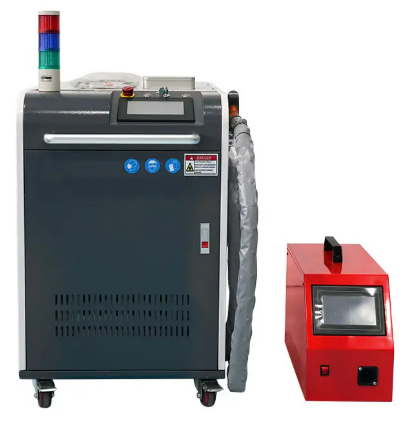
While high-performance welders often require higher upfront costs, they deliver greater durability, reduced downtime, and superior weld quality over time. Small businesses should evaluate purchase price in the context of long-term operational savings and potential productivity gains. Machines that perform consistently under heavy use justify the initial expense by minimizing defects, energy consumption, and maintenance interruptions. A careful investment ensures both immediate operational benefits and extended lifecycle value.
Ongoing expenses include electricity, consumables, maintenance, and labor. Choosing welders with low energy consumption and minimal consumable requirements reduces total operational costs. Additionally, machines that operate reliably with minimal intervention save on labor and prevent costly production halts. Small businesses benefit from evaluating these costs before purchase, ensuring that the selected handheld laser welder provides the best balance between performance and efficiency.
Return on investment (ROI) depends on measurable gains such as improved production speed, fewer defective products, and extended equipment lifespan. An ROI assessment should factor in both direct cost savings and productivity improvements. Monitoring metrics like welding cycle times, material usage, and maintenance frequency provides a complete picture of financial benefits. Businesses can justify equipment purchases to stakeholders by demonstrating clear, quantifiable advantages.
Reliable technical support minimizes downtime and ensures that production issues are resolved promptly. Vendors offering remote troubleshooting, on-site assistance, and fast response times help businesses maintain continuous operations. For small businesses without dedicated maintenance teams, accessible support is vital to avoid costly interruptions. Evaluating support quality before purchase can prevent future operational headaches and maintain productivity.
A comprehensive warranty protects your investment against defects and early failures. Service packages may include replacement parts, preventive maintenance, and software updates, all of which enhance machine reliability. Assess warranty coverage, response times, and service scope carefully to avoid unexpected expenses. A well-supported machine ensures long-term performance and reduces financial risk for small businesses.
Support services that include operator training and process guidance improve machine performance and productivity. Proper setup, fine-tuning of parameters, and workflow optimization reduce errors and enhance product quality. Leveraging vendor expertise allows operators to quickly achieve proficiency and implement best practices in production. Investing in training ensures efficient adoption and maximizes the value of the handheld laser welder.
Begin by filtering handheld laser welders based on power requirements, material compatibility, budget, and feature set. Comparing specifications across shortlisted models allows businesses to focus on the most suitable options. Creating a clear shortlist streamlines evaluation, reduces decision fatigue, and improves confidence in the final selection. A structured approach ensures no critical requirements are overlooked during the purchasing process.
Before finalizing a purchase, validate performance by testing sample welds on actual materials. Adjust welding parameters to assess consistency, penetration, and appearance. Sample testing confirms that the selected machine meets production standards and performs reliably under real-world conditions. This step prevents costly mistakes and ensures that the machine aligns with your operational needs.
Evaluate potential for machine upgrades, adaptability to new materials, and compatibility with future workflow requirements. Consider environmental tolerance factors such as temperature and humidity, which can affect long-term operation. Selecting a welder that evolves with your business ensures sustained efficiency, flexibility, and cost-effectiveness over its lifecycle. Machines capable of growth support business expansion without frequent reinvestment.
Choosing the right handheld laser welder means weighing power, laser type, cooling, portability, safety, and cost. HND Laser All Rights Reserved. offers machines that boost productivity and ensure precise, high-quality welds. With excellent support and practical features, their products provide real value for businesses.
A: Handheld laser welders are portable machines used for precise metal and plastic joining. They are ideal for small workshops and industrial repair tasks, offering speed, accuracy, and versatility.
A: Choosing handheld laser welder for small business involves evaluating power, laser type, cooling system, portability, and operator skill. A guided setup and user-friendly interface simplify operation and reduce errors.
A: Handheld laser welders can weld metals like stainless steel, aluminum, titanium, and some plastics. Selecting the right laser type ensures proper penetration and high-quality welds for various applications.
A: Proper training ensures safe and efficient use. A handheld laser welder setup guide and user manual help operators quickly learn parameters, reducing mistakes and improving productivity.
A: Look for protective housings, gas shielding, automated cooling, and compliance with laser safety standards. These features prevent accidents and ensure regulatory compliance.
A: Regular maintenance includes cleaning lenses, checking cooling systems, and following the handheld laser welding machine user manual. Easy-access components and clear manuals reduce downtime.
A: Yes, despite initial investment, they reduce rework, energy consumption, and labor costs. Evaluating ROI ensures long-term efficiency and high-quality output.
A: The best handheld laser welders for metal fabrication offer adjustable power, multiple welding modes, reliable cooling, and precise beam control to handle varied materials and thicknesses.
A: Yes, choose models with adaptable features and upgradable components. This ensures long-term use, supports new materials, and keeps pace with evolving production requirements.
A: Compare power, laser type, speed, energy efficiency, usability, safety, and after-sales support. Testing with sample welds ensures the machine meets production standards.


